

How can natural extract purification be made truly cost-effective at scale?
Natural extract purification often becomes expensive not because of the extract itself, but because of the downstream technologies used to process it. Solid-phase chromatography, multi-step workflows, high solvent consumption, and media replacement can quickly drive operating costs beyond what the final product value can justify. As extract complexity increases, these cost drivers scale disproportionately—reducing margins, limiting throughput, and making industrial production economically challenging.
Beyond cost, conventional purification methods frequently impose technical limitations on yield and scalability. Irreversible adsorption, column fouling, and narrow operating windows can lead to product loss, inconsistent purity, and difficult scale-up from laboratory to production volumes. For producers working with complex botanical, nutraceutical, or cannabinoid extracts, these constraints often prevent efficient isolation, remediation, or fractionation of valuable compounds.
Centrifugal Partition Chromatography (CPC) offers a fundamentally different approach to natural extract purification. As a liquid–liquid chromatographic technique, CPC operates without a solid stationary phase, eliminating silica-related losses, reducing consumable costs, and enabling high recovery of sensitive bioactive compounds. The technology provides exceptional selectivity and flexibility through tunable solvent systems, while remaining inherently scalable from pilot to industrial production.
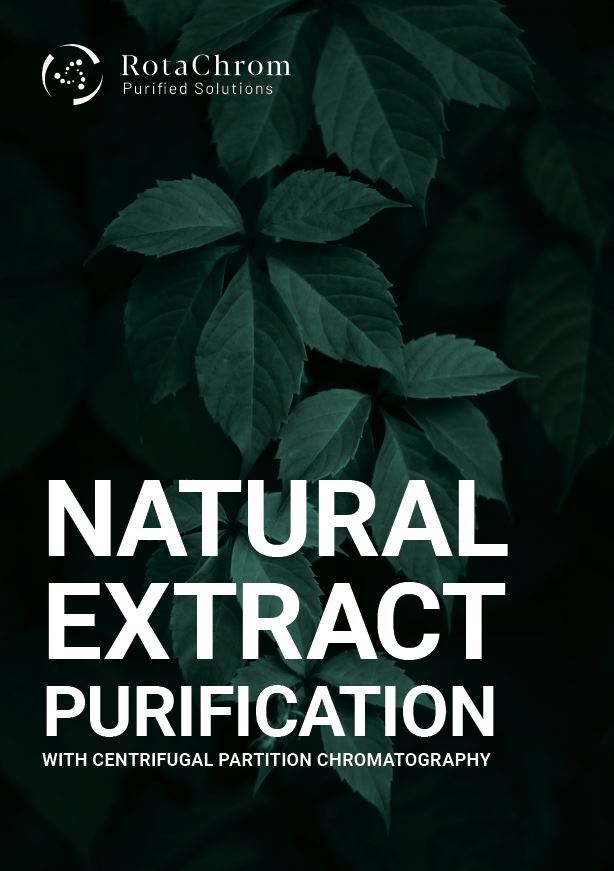
Download the free brochure
What do you find in this application note?
-
How CPC enables cost-effective purification of complex natural extracts
-
Practical strategies for isolation, remediation, and fractionation
-
Real-world case studies across nutraceutical, pharmaceutical, and cannabinoid applications
-
Methods for improving yield, scalability, and process robustness
-
Guidance on solvent selection, cost efficiency, and waste valorization

Benefits of CPC
Liquid–liquid chromatography without solid stationary phase
CPC eliminates silica-based media, avoiding irreversible adsorption, column degradation, and excessive consumable costs.
High recovery of sensitive natural compounds
Ideal for fragile bioactives such as alkaloids, terpenes, cannabinoids, and phenolics.
Scalable from lab to industrial production
Linear scale-up ensures predictable performance from pilot to multi-kilogram daily throughput.
Flexible solvent systems
Compatible with extraction solvents already used in existing processes, including recyclable and class III solvents.
Key Applications
Direct Isolation of Valuable Compounds
-
Curcuminoids from turmeric
-
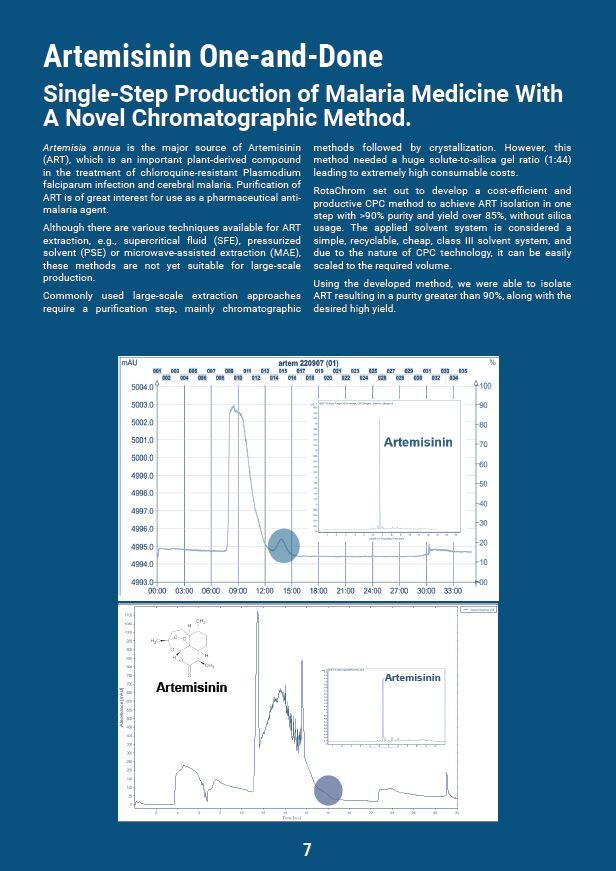
Artemisinin from Artemisia annua
-
Digoxin from Digitalis lanata
-
Cyclosporine A from fermentation broth
-
Carnosic acid from rosemary
Impurity & Toxin Remediation
-
Pyrrolizidine alkaloid (PA) remediation (e.g. comfrey, red clover)
-
Pesticide removal from botanical and cannabis extracts
-
Selective removal of unwanted alkaloids (e.g. 7-hydroxy-mitragynine from kratom)
.
Cannabinoid Processing & THC Remediation
-
THC reduced to non-detectable levels
-
CBD purity up to ~99%
-
Industrial throughput with continuous operation
-
Solvent recycling up to 95% for reduced operating cost
Beyond Extraction: Valorizing Waste Streams
-
Recovery of bioactives from waste streams
-
Secondary revenue generation
-
Reduced hazardous waste disposal costs
Q&A
Q: How can I purify target compounds from complex natural extracts with hundreds of components?
A: CPC enables separation based on liquid-liquid partitioning, allowing efficient fractionation of highly complex matrices without relying on solid-phase selectivity.
Q: Why do traditional methods fail for natural extract purification?
A: Techniques like HPLC or crystallization often struggle due to co-eluting compounds with similar polarity and strong adsorption effects on solid phases.
Q: How can I avoid irreversible adsorption and sample loss during purification?
A: CPC eliminates solid stationary phases, preventing irreversible binding and enabling higher recovery of sensitive natural compounds.
Q: What is the best way to isolate bioactive compounds from crude plant extracts?
A: CPC allows direct purification from crude extracts, often avoiding multi-step workflows and reducing process complexity.
Q: How can I handle wide polarity ranges in natural extracts?
A: CPC solvent systems can be tuned across a broad polarity range, making it possible to separate both polar and non-polar compounds in the same workflow.
Q: How do I improve yield when purifying natural products?
A: CPC offers high recovery rates because compounds are not lost on solid supports, which is critical for valuable natural products.
Q: Why is scaling up natural extract purification difficult with HPLC?
A: Column cost, limited loading capacity, and solvent consumption make scale-up inefficient, whereas CPC enables linear scale-up.
Q: How can I reduce the number of purification steps in my process?
A: CPC can often replace multi-step purification workflows (e.g. HPLC + crystallization) with a single liquid-liquid separation step.
Q: How can I remove toxic impurities from natural extracts efficiently?
A: CPC has been successfully applied for remediation, such as removing unwanted alkaloids while preserving valuable compounds. :contentReference[oaicite:1]{index=1}
Q: What is the most scalable method for natural extract purification?
A: CPC offers seamless scale-up from lab to industrial production while maintaining separation performance and efficiency.
Book a meeting
About RotaChrom
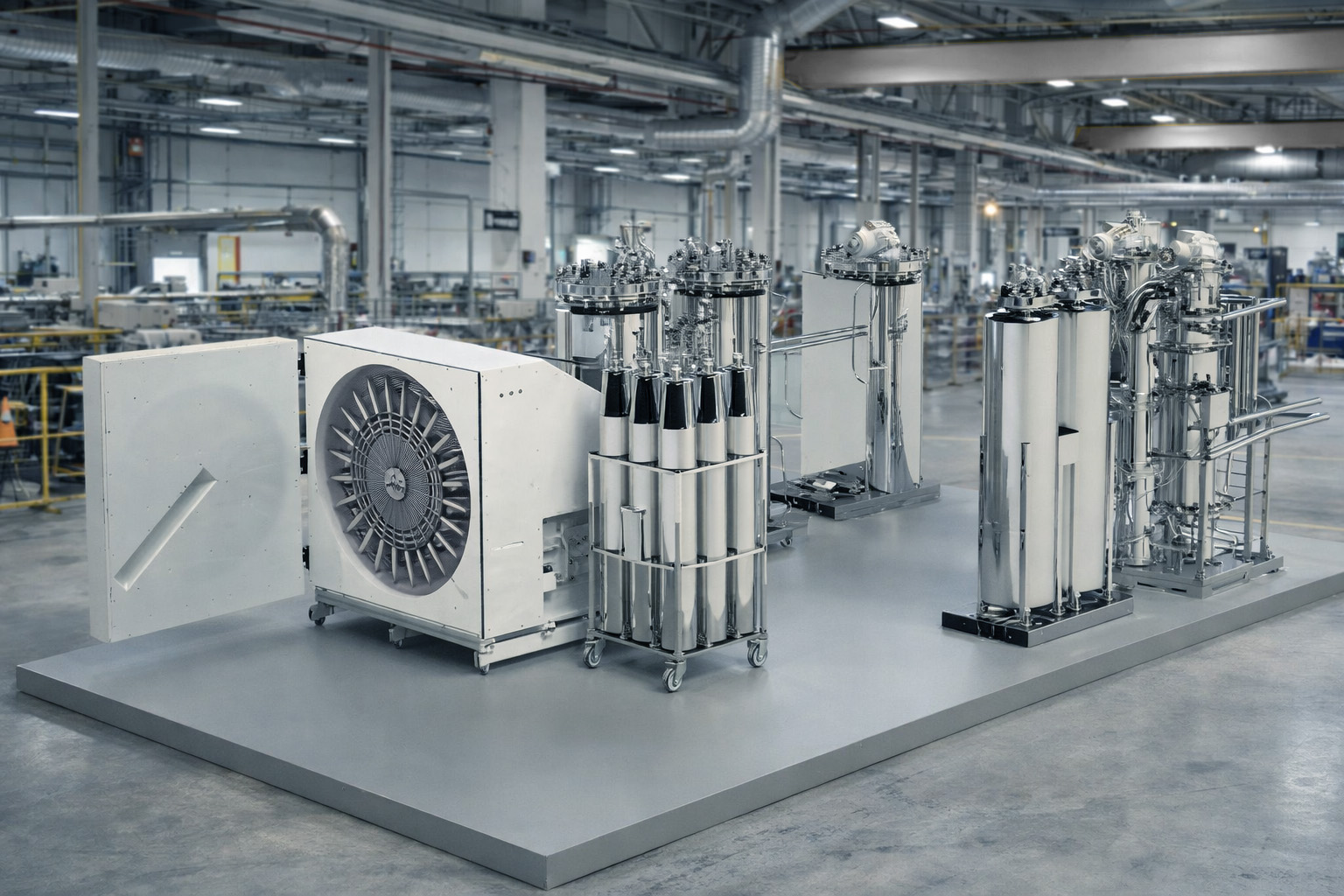
RotaChrom Technologies develops and manufactures industrial-scale centrifugal partition chromatography (CPC) technology platforms. Founded in 2014, RotaChrom distributes its CPC devices around the world. With the help of their industry-leading chemists and engineers, their instruments revolutionized purification by providing cost-effective industrial-scale chromatography solutions to customers in various industries, including pharmaceutical, biotechnology, chemistry, nutraceutical, and botanical extracts.