How does chromatography work, and why does it matter in downstream purification?
Chromatography is one of the most widely used separation techniques across chemical, pharmaceutical, and life science industries, yet its underlying principles are often treated as a black box. Understanding how chromatographic processes work, and where they fit within the downstream process chain, is essential for selecting the right purification strategy and avoiding unnecessary complexity, cost, or yield loss.
This white paper introduces chromatography from first principles, explaining how components are separated based on their interactions between stationary and mobile phases. It gradually builds from basic concepts to more advanced ideas, making the topic accessible not only to scientists and engineers, but also to professionals involved in process development, manufacturing, or decision-making.
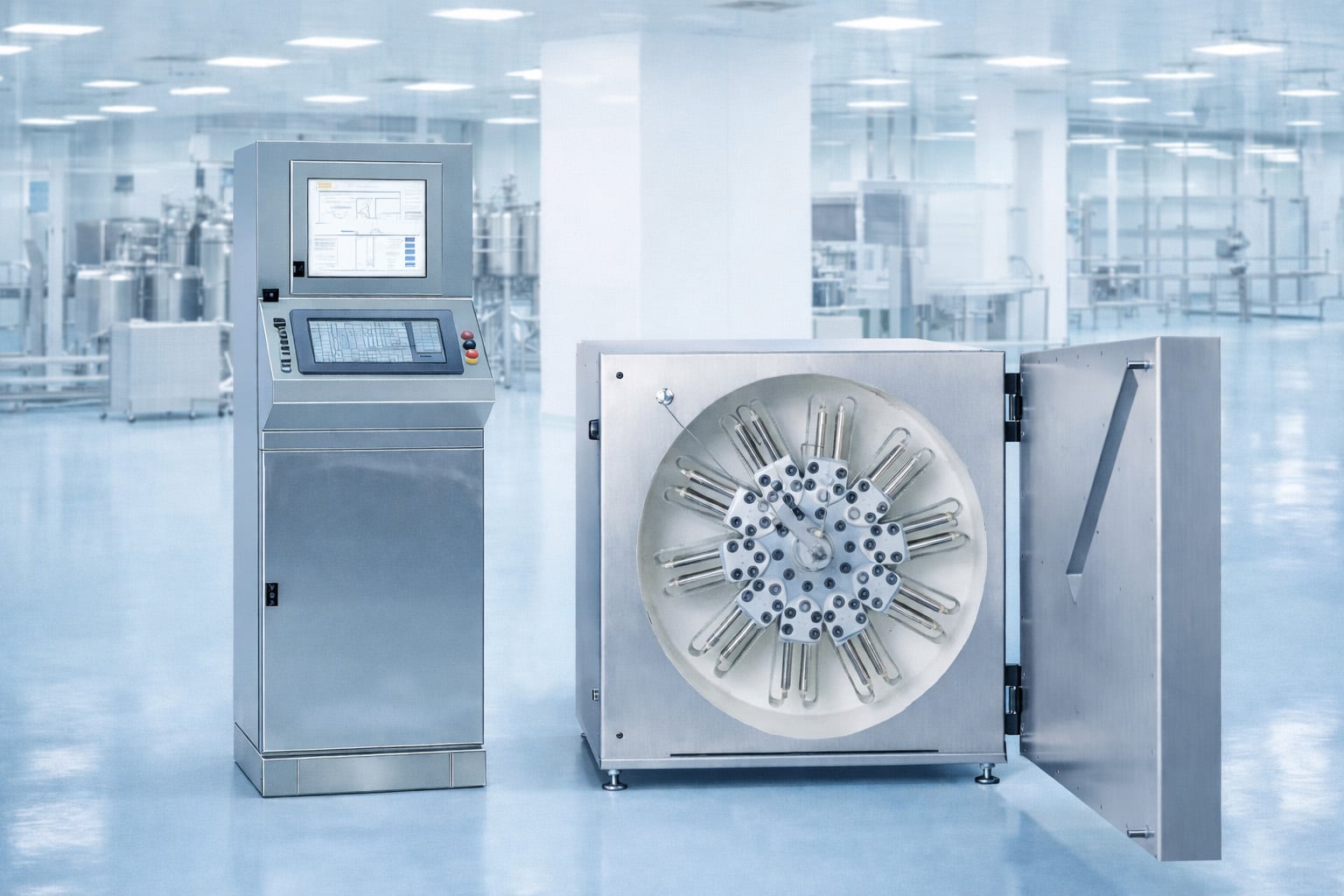
By progressing toward liquid–liquid chromatography and Centrifugal Partition Chromatography (CPC), the paper provides a clear conceptual bridge between traditional chromatographic techniques and modern, scalable purification technologies used in industrial applications.